
Who each option tends to suit
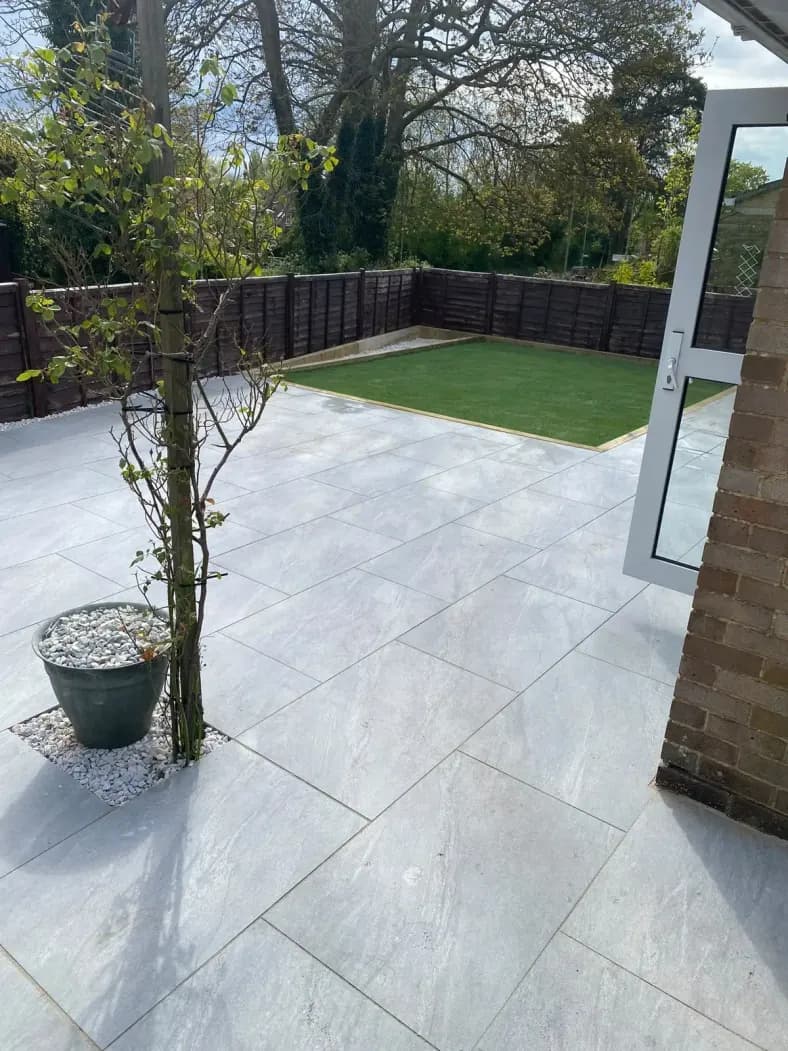
Synthetic grass appeals to households who want the garden usable all year without weekend chores. Busy families, people who are away a lot, owners of small shaded courtyards and anyone whose dog has turned the lawn into a mud patch often lean this way.
A real lawn suits people who enjoy the feel of grass underfoot, like the smell after mowing and want the garden to support insects and birds. It also suits those who see a bit of lawn care as part of the pleasure of having a garden rather than a job to avoid.
Upkeep through the year
Natural grass asks for regular mowing from spring to autumn, some feeding, edging, the occasional bout of scarifying and watering in dry spells, at least while it establishes. In return it repairs itself to a degree, thickening up again after wear.
A synthetic lawn needs brushing now and then, leaf clearing in autumn and rinsing where pets go. It never needs cutting or feeding, but it also never recovers from damage by itself; a burnt or torn patch stays until it is repaired.
Shade, drainage and heavy ground
This is where real grass struggles most. Under trees, beside tall fences or in north-facing courtyards, turf thins out and moss moves in. On heavy clay that stays wet through winter, a natural lawn can turn soft and churned whenever it is used.
Artificial grass is unaffected by light levels, and when it is laid on a compacted, free-draining stone base it copes with wet weather far better than bare soil. Real turf can also be helped on poor ground by cultivating and levelling properly before laying, but it will never ignore shade the way a synthetic surface does.
Artificial grass
- Compacted, free-draining stone base
- Weed membrane beneath the grass
- Firm edging to keep the grass secure
Pets and children
Children and dogs are hard on lawns. Real grass wears into bare tracks and holes in the busiest spots, and muddy paws come indoors in wet months. A synthetic surface stays clean and even, which is a big reason families choose it.
The trade-off is heat and hygiene. Synthetic fibres get warm on hot, sunny afternoons, so check the surface before little ones or pets play on it. Areas used by dogs need rinsing to stay fresh. Real grass stays cooler and deals with pet waste naturally, though urine can leave yellow patches.
Wildlife, heat and the wider trade-offs
A living lawn supports soil life, provides food for birds and, if parts are left to grow a little longer, gives flowering plants and insects a chance. It also soaks up rain and stays cool in summer.
Synthetic grass is a manufactured product that does not support that life, and it eventually has to be disposed of. On the other side, it needs no mowing, fertiliser or summer watering. There is no perfect answer here, only the balance that feels right for you and your garden.
Preparation for each
Whichever you choose, the old lawn has to come up and the ground has to be got ready properly. For new lawns and turfing, that means clearing, cultivating and levelling so the new rolls can root into good soil. For artificial grass, the ground is dug out and replaced with a compacted stone base, weed membrane and firm edging.
Because the groundwork is quite different, it is worth deciding before any digging starts. Our turfing cost guide and artificial grass cost guide explain what drives the work for each.
Mixing both
You do not have to pick only one. A common approach is to keep a natural lawn for the main open space and lay synthetic grass in the spots that take the most punishment, such as beside the patio, under play equipment or in a shaded strip where nothing grows well.
Clean edging between the two keeps each surface tidy and stops soil spilling onto the artificial area. If you would like help deciding what works for your garden, contact Daniel or call 07841 510110.
Want a professional to handle it?
Tell us what you have in mind and Daniel will talk it through with you.
07841 510110Step 1 of 3
What would you like help with?
Frequently asked questions
Which is cheaper over time?
Turf usually costs less to lay, while artificial grass costs more at the start but avoids ongoing mowing, feeding and watering. The turfing cost guide and artificial grass cost guide explain the factors behind each.
Can artificial grass go on a sloping garden?
Yes, on gentle slopes, with the base shaped to the fall and the edges fixed securely. Steeper ground may need levelling or steps first.
Is real turf usable straight away?
Not fully. New rolls need time and regular watering to root down, so keep heavy use off until the grass has knitted into the soil.
Can you lay turf in autumn?
Autumn is often a good time, as the soil is still warm and rain helps the roots establish. Laying is avoided when the ground is frozen or waterlogged.
Which is better under trees?
Synthetic grass copes better with shade, though leaf fall needs clearing regularly. Real grass tends to thin out and struggle in heavy shade.
Related guides
Related services
Covering Southampton and Hampshire